Learning Outcomes
i. Acknowledge the sun as the primary source of energy for Earth's ecosystems.
ii. Understand the process of photosynthesis and its role in energy transformation.
iii. Recognize the sun's energy as the initiator of the flow of energy through ecosystems.
i. The Sun as Earth's Primary Energy Source
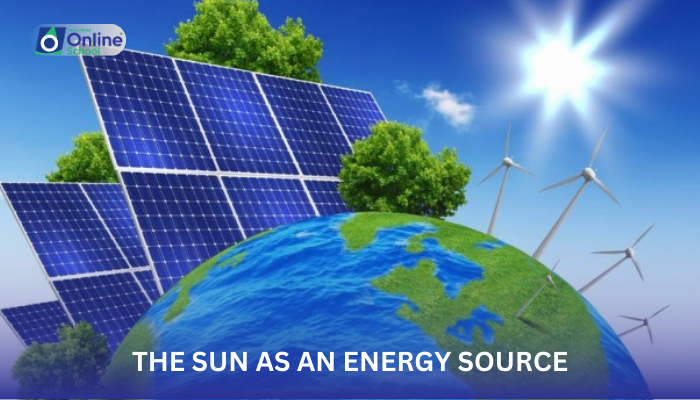
The sun is the central and primary source of energy for all life on Earth. It provides the energy necessary for various natural processes that sustain biological systems.
ii. Photosynthesis: The Basis of Energy Transformation
Photosynthesis is the process by which green plants, algae, and some bacteria convert light energy from the sun into chemical energy in the form of glucose. This process can be summarized in the following equation:
6 CO2+6 H2O+light energy→C6H12O6+6 O2
6 CO
2
+6 H
2
O+light energy→C
6
H
1
2O
6
+6 O
2
During photosynthesis, chlorophyll in the chloroplasts of plant cells captures sunlight and uses its energy to convert carbon dioxide (CO2) from the air and water (H2O) from the soil into sugar (glucose) and oxygen (O2).
iii. The Flow of Energy in Ecosystems
The energy captured through photosynthesis does not remain in the plants but flows through the ecosystem. The sequence goes as follows:
Energy Storage: Plants store chemical energy in the form of sugars and other organic molecules.
Consumption by Herbivores: When animals eat these plants, they take in the chemical energy stored in the plant tissues.
Energy Transfer to Carnivores: This energy is then passed on to carnivores and omnivores that eat the herbivores.
Decomposition: Eventually, all organisms die, and decomposers break down their bodies, returning nutrients to the soil and releasing energy.
iv. Importance of the Sun's Energy
The sun's energy is essential for the functioning of ecosystems because it initiates and sustains the food chains that are critical for the survival of almost all living organisms on Earth. Without the sun, the process of photosynthesis would not occur, and the energy flow that supports life processes in both terrestrial and aquatic environments would cease.
In conclusion, the sun is fundamental to life on Earth, driving the process of photosynthesis, which is the starting point for the flow of energy through ecosystems. This energy supports the growth and reproduction of plants, which then serve as food for herbivores, supporting the entire food web. Understanding the sun's role in energy flow helps in appreciating the interconnectedness of life and the importance of energy conservation in ecosystems.
